A Homeowner
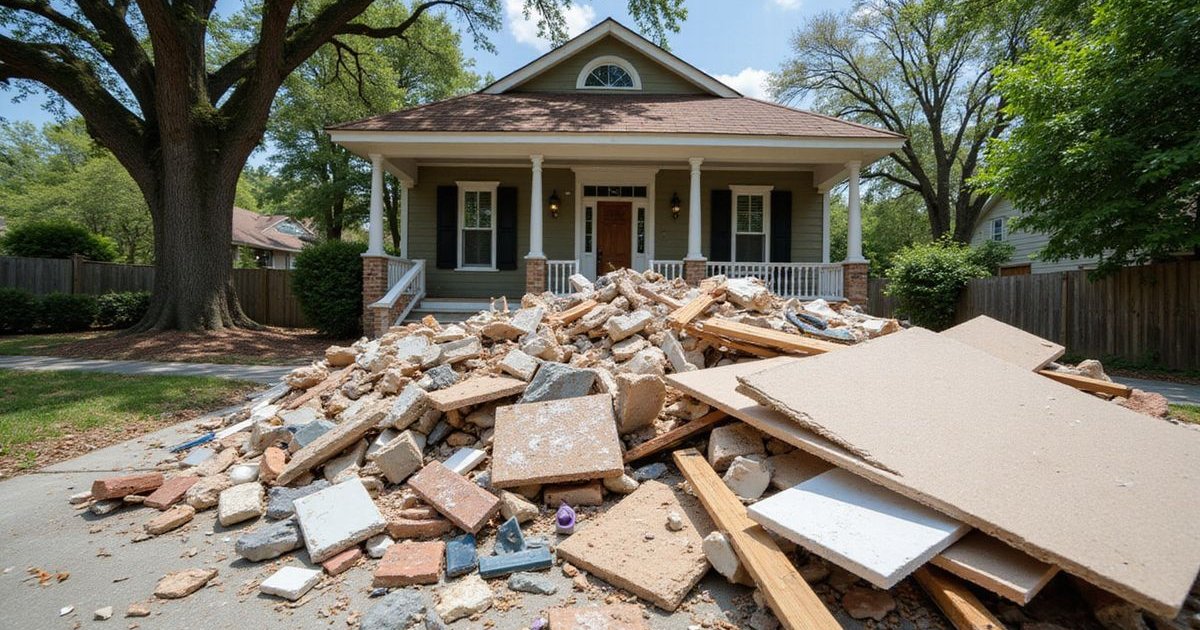
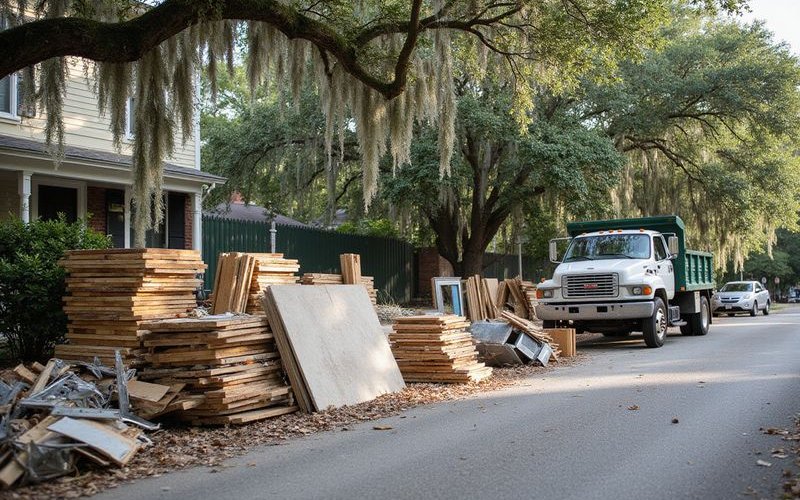
Let’s be honest: the demolition phase is the part of a renovation everyone looks forward to, right until the reality of the cleanup sets in. You swing the sledgehammer, the wall comes down, and suddenly you are standing in a pile of debris that is three times larger than you expected. From our experience at Coastal Junk Pros, we know that a single bathroom tear-out in a Savannah home can easily produce 2,000 pounds of tile, lath, and old fixtures.
For homeowners in Chatham County, handling this mess is not as simple as dragging it to the curb. Local regulations are strict, and the historic nature of our neighborhoods adds a layer of complexity to disposal. We are going to break down exactly what you are up against, the specific disposal rules for Savannah, and the smartest ways to keep your project moving without drowning in debris.
Types of Construction Debris You Will Encounter
Most homeowners underestimate the sheer weight and volume of construction waste. Understanding the specific materials you are dealing with is the first step in avoiding a budget surprise.
General construction waste is deceptive because it stacks up fast. This category includes drywall, lumber, vinyl flooring, and the endless cardboard packaging from your new materials. A standard 10x10 kitchen floor removal can generate over 500 pounds of waste alone.
Heavy aggregate materials are common in our local architecture. If you are renovating a home in Ardsley Park or the Victorian District, you are likely dealing with plaster and lath rather than modern drywall. Plaster is significantly heavier than sheetrock and requires more labor to remove. We also see a lot of “Savannah Grey” brick and concrete from patio removals, which can overload a standard truck bed in minutes.
Bulky fixtures create logistical headaches. Cast iron bathtubs found in mid-century Savannah homes often weigh between 300 and 500 pounds. You cannot simply toss these into a pickup truck without risking injury or vehicle damage.
Hazardous materials are a major concern in our region’s older housing stock. If your home was built before 1978, federal regulations require you to assume lead paint is present unless tested otherwise. Similarly, homes built before 1980 may contain asbestos in floor tiles, pipe insulation, or popcorn ceilings. Disturbing these materials without a licensed abatement professional is illegal and dangerous.
Disposal Options for Renovation Debris
Savannah offers several ways to handle debris, but the “free” options are more limited than most people realize. You need to choose the method that fits your specific timeline and location.
1. Curbside Pickup (The “Household Only” Trap)
Many residents assume they can just leave construction debris for the city. This is a common mistake. Chatham County Drop-Off Centers (like the ones on Wilmington Island or Chevis Road) strictly prohibit “construction debris from full house demolitions or major renovation projects.” They are designed for household garbage and small items only. If you show up with a trailer full of drywall, you will likely be turned away.
2. Self-Hauling to the Landfill
If you have a truck and don’t mind the physical labor, you can haul the waste yourself. The Dean Forest Road Landfill is the primary facility for the City of Savannah.
- The Catch: It is generally open to city residents with proof of residency, but if you live in unincorporated Chatham County, you typically need a paid subscription (often around $75 annually) to use the facility.
- Commercial Option: For larger loads or non-subscribers, the Superior Landfill on Little Neck Road is another option that accepts construction and demolition (C&D) debris, though you will pay by weight.
- Cost Reality: By the time you factor in fuel, tarping, waiting in line at the scale, and the disposal fees, self-hauling often costs more in time than it saves in cash.
3. Dumpster Rental
Renting a container is a popular choice for projects lasting several weeks. You can load it at your own pace as you work.
- Pricing: In 2025, a 20-yard dumpster in the Savannah area typically costs between $420 and $550 for a week-long rental.
- The Downtown Permit Rule: This is the detail that catches many people off guard. If you live in the Historic District or a neighborhood with on-street parking, you cannot just drop a dumpster on the street. You must obtain a Dumpster/Container Permit from the City of Savannah Traffic Engineering office.
- Permit Cost: Expect to pay a $20 application fee plus $4.00 per day for each parking space the dumpster occupies.
4. Professional Junk Removal
This is the “done-for-you” solution. Our light demolition and debris removal service is designed for homeowners who want the mess gone immediately. We provide the labor to lift, load, and sweep up, so you don’t have to touch a thing. For projects with heavy cast iron tubs or tight deadlines, this is often the most efficient route.
| Feature | Self-Hauling | Dumpster Rental | Professional Junk Removal |
|---|---|---|---|
| Labor Required | High (Load & Unload) | Medium (You Load) | None (We Load) |
| Time Investment | Hours per trip | Weekly rental | Single appointment |
| Best For | Small, light loads | Long, DIY projects | Heavy items & fast cleanup |
| Hidden Costs | Fuel, landfill fees, tarps | Street permits ($4/day/space) | None (Upfront pricing) |
Planning Debris Removal Into Your Renovation Budget
Budgeting for waste is just as important as budgeting for new tile. A solid rule of thumb is to allocate roughly 5% to 10% of your total renovation budget for demolition and disposal.
For a standard kitchen remodel in Savannah costing $25,000, you should set aside $1,250 to $2,500 for the teardown and cleanup. This buffer is critical because older local homes often hide surprises. You might pull up a layer of carpet only to find two more layers of vinyl and plywood underneath, effectively tripling your debris volume instantly.
Contractor clarity is also essential. If you are hiring a general contractor, ask specifically: “Is debris removal included in your quote, or is it a line item?” Some contractors will leave the pile for you to handle, assuming you want to save money. We recommend clarifying this in writing before the first hammer swings to avoid a pile of trash sitting on your lawn for weeks.
What Can Be Recycled or Salvaged
Savannah has excellent resources for keeping materials out of the landfill, which can save you money and help the environment.
Architectural Salvage Before you smash those old cabinets, look at them closely.
- Habitat for Humanity ReStore: The location on Victory Drive accepts usable cabinets, working light fixtures, and doors.
- Vintage Value: If you have heart pine flooring or antique mantels, these are highly sought after. Local salvage buyers may even pay you for them, or at least remove them for free.
Scrap Metal Copper piping, aluminum siding, and brass fixtures should never go in the trash.
- Where to go: Facilities like SA Recycling on President Street or Southern Metals Recycling on Tremont Road will pay you for these metals. Separating your metal waste from the general trash is one of the easiest ways to recoup some of your renovation costs.
Paint Disposal You cannot throw liquid paint in the trash or a dumpster.
- The Solution: The Chatham Paint Center on Montgomery Cross Road has a recycling program for latex and oil-based paints. They typically charge a small fee (around $3 per gallon container), which is much safer and cleaner than trying to dry it out yourself with kitty litter.
At Coastal Junk Pros, we prioritize donation and recycling. We sort through the loads we collect to ensure that eligible items make it to the ReStore or recycling centers rather than sitting in a landfill forever.
Safety Considerations During Debris Removal
Renovation debris is sharper, heavier, and dirtier than regular trash. Safety is not just about avoiding a cut; it is about long-term health.
Protect Your Lungs Old plaster dust is incredibly fine and can linger in the air for days.
- The Gear: Wear a rated N95 or P100 respirator, not just a cloth mask. This is non-negotiable if you are tearing out plaster or insulation in an older Savannah home.
Watch Your Step Puncture wounds from rusty nails are the most common injury on DIY sites.
- The Protocol: Never leave a board with exposed nails on the ground. Hammer them flat or pull them out immediately. Wear thick-soled work boots, as sneakers offer zero protection against a sharp nail or a dropped piece of granite.
Lift Smart That cast iron tub or slab of granite is heavier than it looks.
- The Warning: Do not attempt to move these items alone. A standard cast iron tub can weigh 400 pounds. Our team uses dolly straps and team-lifting techniques to move these heavy objects safely without scratching your remaining floors or injuring our backs.
When to Call Coastal Junk Pros
Sometimes the best tool for the job is a phone call. If you are staring at a mountain of debris that is delaying your project, or if you simply want to enjoy your weekend instead of hauling trash, we are here to help. Our team specializes in the heavy lifting and logistical challenges of Savannah renovations.
Call Coastal Junk Pros at (912) 555-0247 for a free, no-obligation quote. We will give you an honest assessment, handle the heavy lifting, and ensure your debris is disposed of responsibly so you can get back to building your dream home.