Downsizing a home is one of the most significant transitions a person can go through.
For Savannah seniors who have lived in the same house for decades, the process involves more than just moving boxes. It means sorting through a lifetime of memories, making difficult decisions about what stays and what goes, and adjusting to the idea that the next chapter looks different from the last.
In our work across Chatham County, we have seen that the local real estate market has shifted. Homes in Savannah are now taking an average of 48 to 52 days to go pending in the current 2025 market, which is significantly longer than the frenzy of previous years. This cooling trend means you have a bit more breathing room, but it also means your home needs to be perfectly staged and decluttered to stand out.
Whether the move is to a smaller home, a retirement community, or an assisted living facility, a thoughtful approach can make the transition smoother for everyone involved.
Start Early and Take It Slow
The biggest mistake families make is waiting until the last minute.
A home that has been lived in for 20, 30, or 40 years does not get sorted through in a single weekend. Industry data suggests that the average senior downsize requires 50 to 75 hours of active labor. Starting three to six months before a planned move gives seniors and their families the time to make thoughtful decisions rather than rushed ones driven by a moving deadline.
Begin with one room at a time. The guest bedroom or a hall closet is usually a low-emotion starting point. These spaces tend to hold items with less sentimental value, which makes the sorting process easier while building momentum for the more difficult rooms later.
We always advise our Savannah clients to avoid tackling the attic or garage during the summer months. The high humidity and heat in those spaces can be physically dangerous and exhausting, so schedule those areas for cooler mornings or different seasons if possible. The kitchen, master bedroom, and family areas where memories are strongest should come last.
Set a schedule that respects the senior’s energy level. Two to three hours of sorting per session is usually the maximum before fatigue and decision fatigue set in. It is better to make steady progress over several weeks than to push through a marathon session that leaves everyone exhausted and emotional.

Honor the Emotional Process
For adult children helping a parent downsize, patience is the most important thing you can bring.
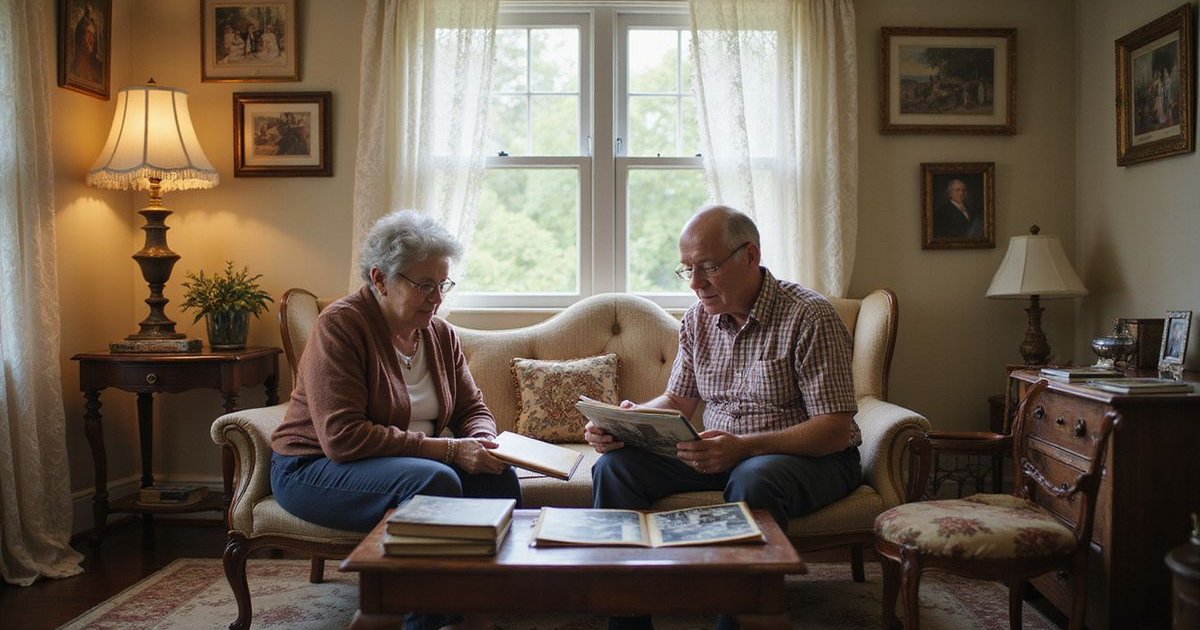
That collection of figurines you see as clutter may represent years of birthday gifts from a late spouse. The stack of magazines might contain articles that were meaningful at a specific time in their life. Dismissing these attachments or pushing for fast decisions creates conflict and can make the senior feel disrespected.
Let the person tell the story behind items they are reluctant to part with. Sometimes the act of sharing the memory is enough for them to feel comfortable letting go. Other times, you will discover that certain items truly are irreplaceable to them and should make the move regardless of how practical that seems.
A helpful framework is to ask three questions about each item: Do you use it regularly? Does it bring you genuine joy? Would a photo of it preserve the memory just as well? Many seniors find that taking photographs of sentimental items before donating or passing them along provides the emotional closure they need without keeping the physical object.
Create a Practical Sorting System
Use a clear, simple system that everyone understands.
Four categories work well for most downsizing projects:
- Moving with you: Items that fit in the new space and serve a daily purpose or hold irreplaceable sentimental value.
- Family and friends: Heirlooms, keepsakes, or useful items that specific family members or friends would appreciate.
- Donate: Items in good condition that can benefit someone else in the Savannah community.
- Remove: Broken, worn-out, or outdated items that have reached the end of their useful life.
To make decisions easier, we often recommend using a “Decision Matrix” table like this:
| Item Category | Keep If… | Donate/Sell If… |
|---|---|---|
| Furniture | It fits the floor plan of the new home perfectly. | It is too large, duplicates another item, or needs major repair. |
| Kitchenware | You have used it in the last 12 months. | You have multiples (e.g., 3 ladles) or haven’t used it in a year. |
| Clothing | It fits now and you feel confident wearing it. | It has been in the closet unworn for 2+ seasons. |
| Paperwork | It is a vital legal or tax document (last 7 years). | It is an old utility bill, expired warranty, or manual for a lost device. |
Measure the new living space before sorting begins. Knowing exactly how much room is available for furniture, closet space, and storage prevents the common problem of moving too much and arriving at a home that feels cramped from day one. If the new space has a 10-foot living room wall, that 12-foot sectional sofa is not going to work regardless of how comfortable it is.
For items designated for family, ask relatives early. Do not assume your niece wants Grandma’s china set or your son wants the workbench tools. Give family members a specific window to claim items, and whatever is not spoken for moves to the donate or remove pile.
Donate Responsibly in Savannah
Savannah has excellent resources for receiving donated household items, but knowing exactly where to go saves time and frustration.
Coastal Empire Habitat for Humanity ReStore is a fantastic option for furniture, appliances, and building materials. They are located at 701 Martin Luther King Jr. Blvd, right here in Savannah. We recommend them highly because proceeds help build local homes, and they can often schedule pickups for large items like sofas or dining sets.
For clothing, linens, and smaller household goods, the Old Savannah City Mission at 120 Fahm Street is a vital resource that supports the homeless community. Another strong option is the Union Mission, which frequently needs specific hygiene and household items to support their housing programs.
For a detailed list of where to take specific items, our guide on Savannah donation centers covers local options and what each organization accepts. Knowing where items will go can make it easier for seniors to part with belongings when they know those items will help someone in the local community.
Handling Hazardous Items
One specific “insider tip” we share with all our clients is about hazardous waste. You cannot throw old paint, batteries, or motor oil in your regular trash or a rental dumpster. In Chatham County, you must take these items to the Resource Conservation Education Center at 1321 Eisenhower Drive, Suite D. They are equipped to handle materials that are unsafe for regular landfills.
Handle Important Documents and Valuables First
Before sorting through general household items, locate and secure important documents: wills, insurance policies, tax returns, medical records, property deeds, birth certificates, and financial statements.
Place them in a clearly labeled portable file box that stays with the senior throughout the move.
Go through drawers, jacket pockets, book pages, and the backs of closets for hidden cash, jewelry, or important papers. It is remarkably common for seniors to store valuables in unconventional places. During estate cleanout projects, our crews have seen cash tucked inside old books, jewelry stored in kitchen canisters, and important documents filed between magazines. A thorough search before anything leaves the house prevents valuable items from being accidentally donated or discarded.
Know When to Bring in Professional Help
There is no shame in asking for help, and in many cases, professional assistance makes the process significantly less stressful for everyone involved.
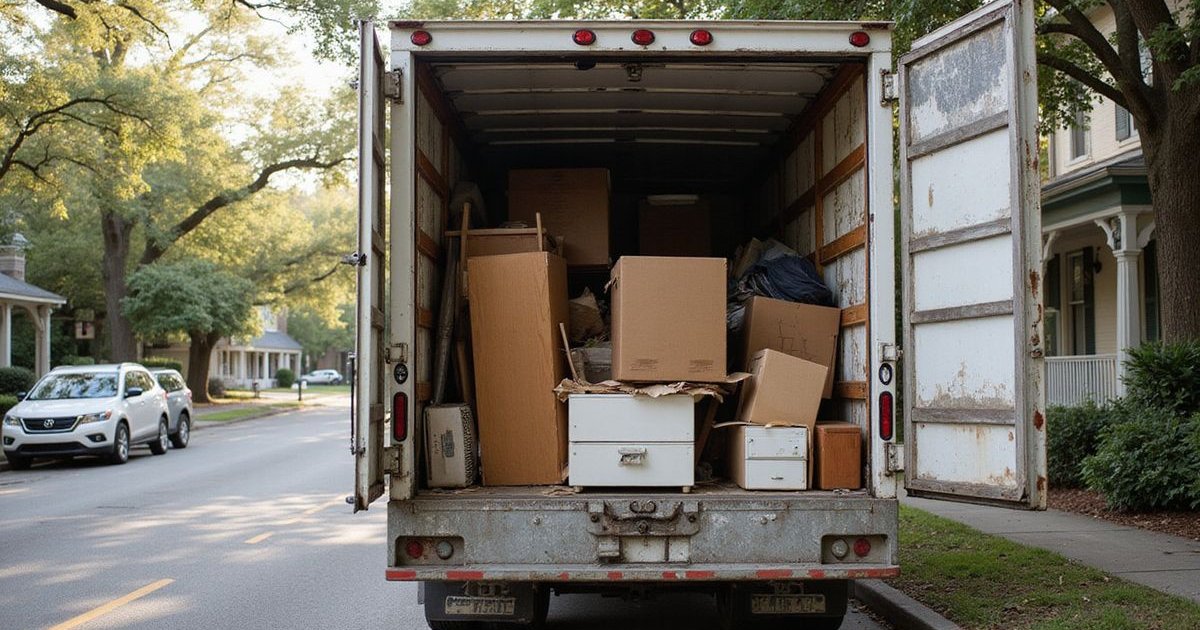
Consider professional support when the volume of items is simply too large for family members to handle alone, when there are heavy items like pianos, safes, or large furniture that require proper equipment, or when the timeline is compressed and the move date is approaching faster than progress allows.
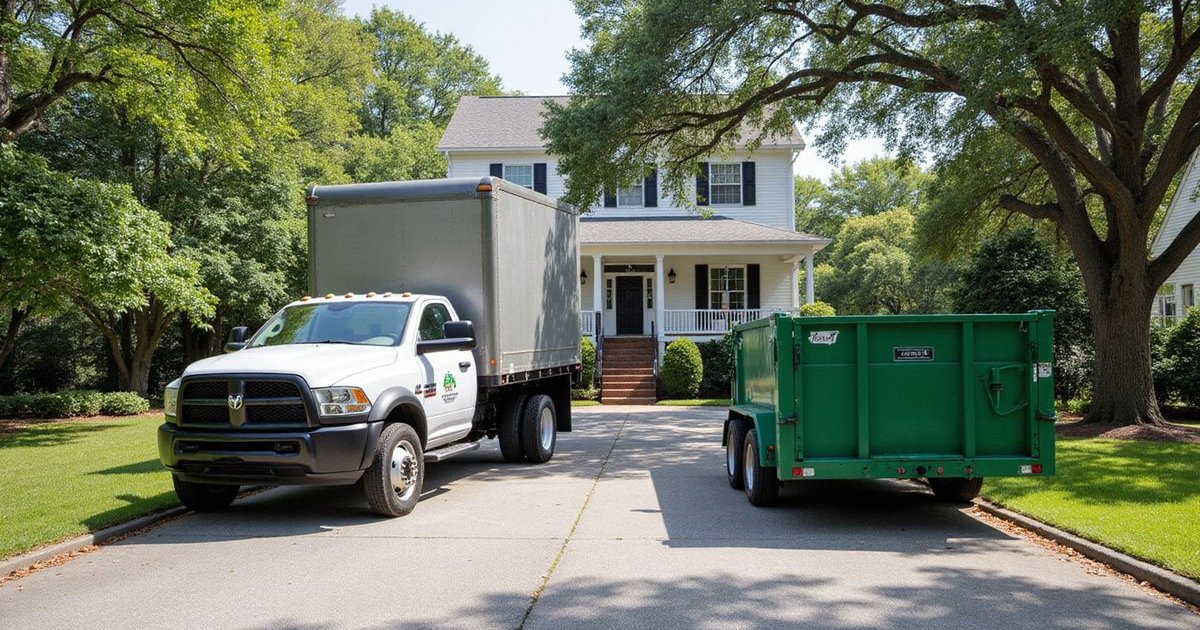
Our estate cleanout services are designed with exactly these situations in mind. Marcus Greene, our founder and Marine Corps veteran, built Coastal Junk Pros with a focus on respectful, careful handling of personal belongings. We understand that every item in a senior’s home has a history, and we treat the process with the dignity it deserves.
We work alongside families to remove items that have been sorted into the donate and remove categories. Usable items go to local Savannah charities and donation centers. Our 60 percent landfill diversion rate means the majority of what we haul finds a second life rather than going to waste.
Utilizing Chatham County Bulk Pickup
If you decide to handle some disposal yourself, be aware of the local rules. Chatham County Public Works offers bulky item collection, but it follows a strict schedule based on your location (usually the 1st, 2nd, 3rd, or 4th Friday of the month). You must place items at the curb no more than three days before your scheduled pickup. Missing this window can result in fines or the items sitting on your curb for weeks.
Practical Tips for Moving Day
When the actual move arrives, a few practical steps can reduce stress.
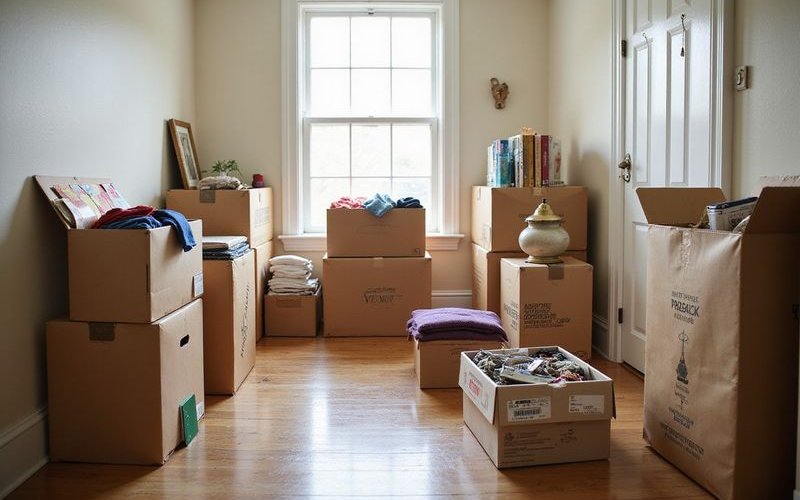
Label every box with both the contents and the room it belongs in at the new location. Pack an essentials bag with medications, a change of clothes, toiletries, phone chargers, and important documents so the senior has immediate access to necessities without digging through boxes.
If possible, set up the bedroom first at the new location. Having a familiar, comfortable space to retreat to at the end of a long moving day provides a sense of stability during what can feel like an overwhelming change.
Keep familiar items visible in the new home. The favorite reading lamp, family photos, and a well-loved throw blanket can transform an unfamiliar space into something that feels personal and welcoming within the first day.
Moving Forward
Downsizing is not about losing things.
It is about creating a living situation that matches the current chapter of life, one that is easier to maintain, more comfortable to navigate, and free of the burden of managing more space and possessions than a person needs. For Savannah seniors and their families, approaching the process with patience, respect, and a clear plan makes all the difference.
If you need help with the heavy lifting, removal, and donation coordination, call Coastal Junk Pros at (912) 555-0247. We will handle the physical work so your family can focus on what matters most: supporting each other through the transition.